
Scaling and Root Planing – Carrollton, TX
Do I Have Gum Disease?
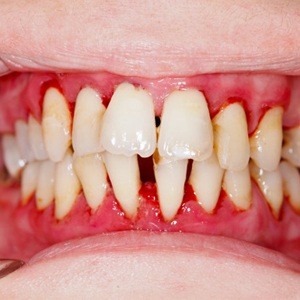
Based on recent reports, a majority of Americans over the age of 30 have some form of gum disease. What’s startling is that many people don’t realize they have it until a dentist tells them. If you notice any of the following symptoms, it’s likely time to visit our office for treatment:
- Red, tender or swollen gums
- Persistent bad breath even after practicing oral care
- Bleeding gums while brushing, flossing or eating
- Receding gums or teeth that appear longer than usual
- A change in the way your dentures fit
- Pain while biting down
In the early stages, gum disease is largely noticeable after you floss, which typically results in minimal bleeding. This early stage, known as gingivitis, can be reversed with improved oral care habits and a professional cleaning. But failing to address the more significant stages, such as moderate to severe periodontitis, carries serious implications.
Why Do I Need Scaling and Root Planing?

If you’re living with periodontitis, regardless of the severity, failing to get the treatment you need can result in permanent damage to your oral structures. These include bone loss, tooth loss and an increased risk of other more serious conditions like heart disease, pregnancy complications and respiratory issues.
Furthermore, at-home cleaning or a traditional cleaning at our office is not enough to address the extensive plaque that’s developed above and below the gumline. Instead, a deep cleaning is needed, typically over the course of multiple appointments.
What Does Treatment Entail?

Deep cleaning consists of both scaling and root planing, two techniques proven to benefit patients with chronic periodontitis. Scaling is performed to remove built-up plaque and tartar (calcified plaque) from below and above the gumline. After breaking apart this plaque, the gums should become less inflamed. Root planing is performed to smooth out the tooth roots which have become detached from the gums. This reduces future gum recession and allows the gums to heal more effectively. We may also apply an antibiotic to the gums during deep cleaning to promote additional healing.
Deep cleaning treatment can take anywhere between one and four visits to complete depending on how extensive your gum disease may be. These additional visits allow us to be as thorough as possible as well as confirm that treatment is working effectively.
Scaling & Root Planing FAQs
Does Scaling & Root Planing Hurt?
While it’s certainly invasive, scaling and root planing in Carrollton doesn’t hurt. Dentists take precautions to ensure the treatment is very smooth and painless.
You see, the dentist numbs your gums with anesthesia before the procedure starts. This move keeps your mouth from experiencing any pain during the scaling and root planing. Indeed, the most you might feel from the treatment process is some pressure as the dentist works.
You’ll only feel some mild sensitivity or tenderness after your treatment is over. Even then, the ache fades within a few days. You can also manage it in the meantime with over-the-counter pain relievers.
Should I Take Precautions Before a Scaling & Root Planing?
As a matter of fact, you should take certain precautions before a scaling and root planing. Such measures will make your final treatment safer and more effective.
The precautions themselves are fairly simple and straightforward. For instance, you should maintain your oral hygiene practices – twice-daily brushing, once-daily flossing, regular oral rinses, etc. You’d also do well to inform your dentist about any pre-existing medical conditions and your current medications. All in all, certain health issues and medicines may require adjustments to your treatment plan.
Ultimately, you should consult your dentist about the specific precautions you take. Make sure to ask about them during your initial appointment.
What Happens After Scaling & Root Planing?
After scaling and root planing, your gums will be in a sensitive state. You’ll need to act carefully and cautiously to help them recover well.
Many patients experience gum swelling, bleeding, and discomfort after the treatment. To manage such symptoms, it’s usually best to take over-the-counter pain medications, avoid certain foods, etc. Doing so prevents further irritation to your gum tissues and lets your mouth heal more quickly.
If necessary, you may attend a follow-up exam with your dentist a few weeks later. This session lets the dental team measure the size of your gum pockets, comparing them to their pre-treatment site. If your infection hasn’t changed (or has worsened), you may need tissue grafting or pocket reduction surgery.
How Often Should Scaling & Root Planing Be Performed?
How often a patient should get scaling and root planing will depend on their case. Depending on their infection, follow-up treatments might be more or less frequent.
The dentist will monitor your health progress to determine your follow-up care. More specifically, they’ll continually assess how (and whether) your gums are healing through later dental appointments. If the dentist thinks you’re recovering well, they’ll likely suggest periodic cleanings every 3-4 months. Otherwise, you may need to attend sessions more often.